
Summary
What this article covers in 30 seconds
- Collins Dictionary named AI 2023’s word of the year, after use of the term quadrupled in a year.
- The UK’s AI summit for 100 world leaders, academics and AI researchers aims to maximise the benefits of tech with minimal risks.
- As AI automates repetitive and mundane tasks, the roles the next generation train for will look very different from today’s job market.
- AI can do the heavy lifting on large reams of data, freeing people to focus on tasks that truly need human intervention.
2023 has been a breakout year for Artificial Intelligence (AI), with Collins Dictionary declaring that use of the term has quadrupled since this time last year.
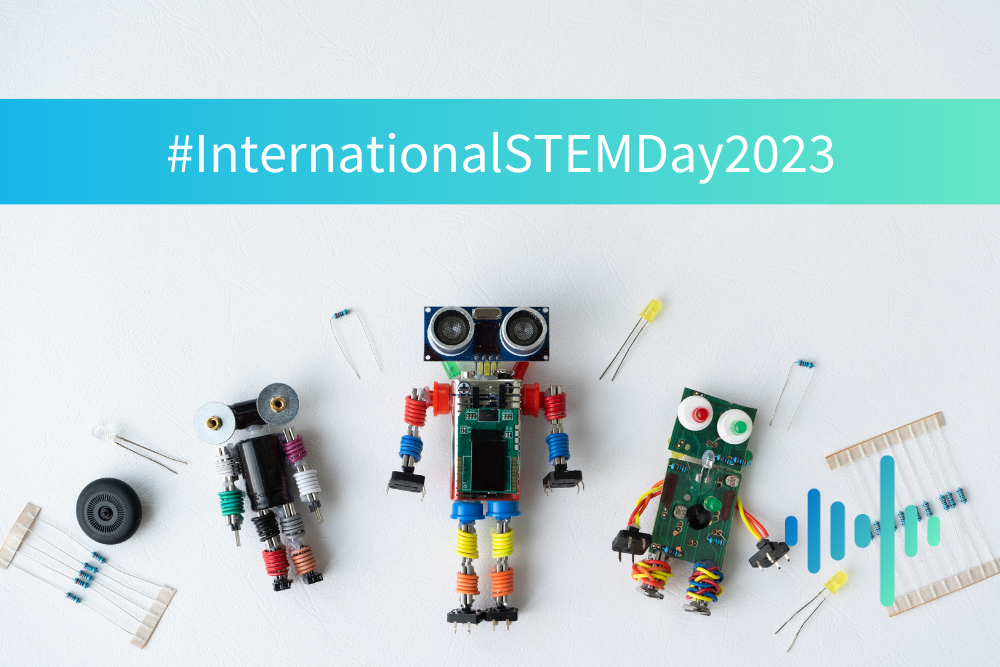
So, as we look to celebrate International Science, Technology, Engineering and Mathematics (STEM) Day on 8th November, we consider the fast-paced evolution of these industries and how AI advancements are already shaping the career choices of the next generation.
‘Word of the year’
It’s clear to see that AI has never been more talked about than it is right now, which is why Collins Dictionary has also named the term as 2023’s ‘word of the year’. This rise in familiarity among the public also coincides with the AI summit for 100 world leaders, academics and AI researchers – held in the UK this November – which aims to discuss how the benefits of tech can be maximised with minimal risks.
Working alongside AI
In our evolving world, AI is a hot topic, and there’s no denying it has the potential to transform how STEM subjects are both taught and applied in the workplace. As AI continues to automate repetitive and mundane tasks across many industries, we can expect the types of roles the next generation train for to be very different from today’s job market.
At Recordsure, we’re firm believers in applying AI in the safest way to offer positive benefits to its users. For instance, AI can do the heavy lifting when looking at large reams of data, freeing up people’s time to focus on work tasks that truly need human intervention.
Those who choose a career in STEM-related fields will undoubtedly work alongside AI in the years to come – in turn giving them more freedom to be the creative, free thinkers that International STEM Day celebrates.
Frequently asked questions
Collins Dictionary reported that use of the term had quadrupled in a year and named AI 2023’s word of the year, while the UK hosted an AI summit for 100 world leaders, academics and AI researchers.
AI has the potential to transform how STEM subjects are taught and applied at work. As it automates repetitive and mundane tasks, the roles the next generation train for will be very different, and they will work alongside AI.
In the safest way, to offer positive benefits to its users – for instance, letting AI do the heavy lifting on large reams of data so people can focus on work that truly needs human intervention.