
Summary
What this article covers in 30 seconds
- Vulnerability is not always permanent or binary; it can change with circumstances and personal attributes.
- The UK scale is significant, including mental health, numeracy, age and dementia-related challenges.
- AI can use facts, language and behavioural traits to flag customers who may need additional care.
- Full interaction monitoring may affect future regulatory expectations as technology becomes more accessible.
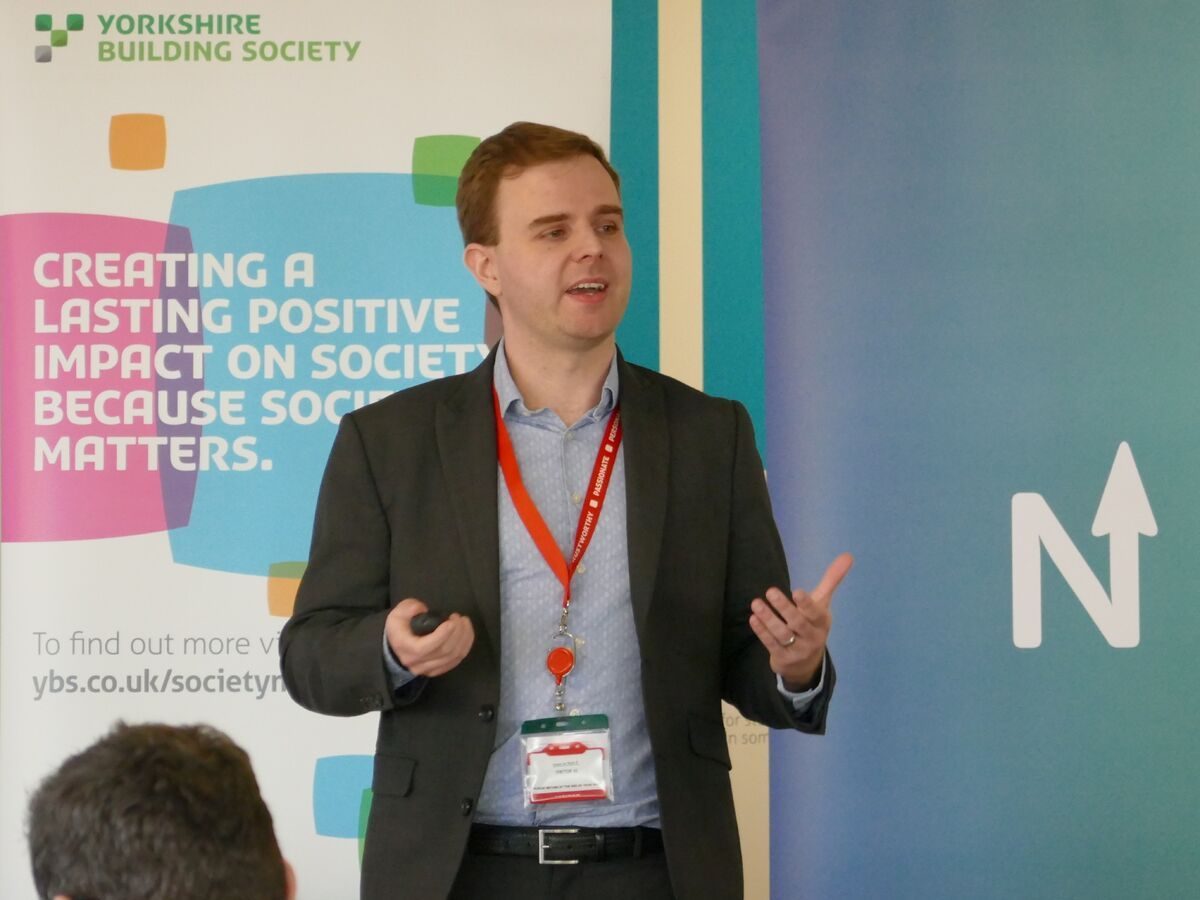
Speaking at Fintech North, Recordsure Head of Research Simon Worgan discussed how artificial intelligence will change the way firms support vulnerable customers, why this matters and how it could reshape the regulatory landscape.
Identifying vulnerability is a major challenge for firms because customers can move in and out of vulnerable states, and because the signals may not be obvious in every interaction.
Understanding consumer vulnerability
The first point is that consumer vulnerability is not necessarily permanent or a binary classification. In finance, vulnerability is best viewed as an interpretation of the current status of a customer.
Customers can fluctuate from not being vulnerable to being very vulnerable, temporarily or permanently. Vulnerability can arise from a wide range of personal attributes, including low literacy or numeracy skills, age, mental health, financial worries and broader changes in circumstances.
The scale of the problem
With such a broad definition, the scale of the issue is substantial. In the UK alone:
- There are 11.4 million people suffering poor mental health.
- Nearly half of all adults have a numeracy attainment age of 11 or below.
- Over 1.4m people are aged 85 or over, a figure that will double in the next 20 years and treble in the next 30 years.
- 1 in 4 adults experience at least one mental disorder in any given year.
- There are over 800,000 people living with dementia, which will double over the next 40 years.
The growing problem has caught the attention of firms and regulators. The FCA highlighted at the event that more needs to be done to support vulnerable customers and that technological solutions are central to this.
Before firms can support the consumers most in need of assistance, they need to identify them. The scale of the issue means it is impossible to monitor all customers manually, but AI is beginning to offer new ways to see the bigger picture and direct support intelligently.
How AI can help
There are countless ways a consumer can express vulnerability, which makes detection through AI challenging. Technology can only make predictions based on what is revealed; stoicism and putting a brave face on a bad situation can limit the signs that even a human would notice.
In many cases, however, there are signs that may indicate potential vulnerability. These can be divided into two broad categories: facts and support.
Direct facts can themselves highlight a possible vulnerable state. For example, a recent divorce or medical condition could increase vulnerability risk. Indirect support may also indicate a possible vulnerable state, such as feeling lonely at the weekend or anxious about a particular event.
Neither category guarantees that a customer is vulnerable. Either can be a sign, and the likelihood increases as more risks are triggered close together. Whether someone is vulnerable remains a human judgement, but AI can take customer care teams to the people most likely to need attention based on information provided, language used and behavioural traits during conversations.
Transforming the regulatory landscape
New technologies have the potential to change current practice. Manual review typically leaves firms struggling to review more than 5% of customer interactions. Through advanced AI, firms can review the full 100% to target areas such as customers showing signs of vulnerability.
This could materially improve customer care. There is a 95% black hole in customer monitoring that can only be illuminated through technological innovation. Vulnerability is a growing challenge, and tools that can support consumers are becoming more capable.
Regulators are watching these developments. Historically, regulated firms have not necessarily been expected to review all customer interactions because it was not practical for many organisations. As full monitoring of every customer touchpoint becomes more accessible, regulators such as the FCA are increasingly asking why firms are not using the tools available to support consumers. The benchmark is likely to rise across the board.
Frequently asked questions
No. Vulnerability can be temporary or permanent and should be viewed as an interpretation of a customer’s current status.
Factors include low literacy or numeracy skills, age, mental health, financial worries and general changes in circumstances.
AI can help identify customers most likely to need attention by combining information provided, language used and behavioural traits during conversations.
As full monitoring of customer touchpoints becomes more accessible, regulators may increasingly expect firms to use available tools to support consumers.